

DVC for Empty Nesters: Your Most Honest Travel Season Yet
You’ve spent 18+ years syncing school breaks, packing goldfish crackers, and strategizing FastPass selections around nap schedules. The suitcase was never actually yours.
Now it is.
No more group texts about who’s riding what. No more negotiating bedtimes in a hotel room. Just you, your partner, and the luxury of waking up when you feel like it.
This isn’t about finally getting to travel. You’ve been traveling. This is about traveling like you used to—before the calendar owned you.
DVC for empty nesters gives you the infrastructure to be spontaneous without the chaos. Book a long weekend in February because you can. Take a full week in October because why not. Split a trip between resorts because you’re not tied to one pool schedule anymore.
You earned this. Not in a greeting card way.
Welcome to the part where the vacation is actually yours.
Why It Feels Different
When the last one moves out, you take a trip. And halfway through, you realize you’re not performing vacation anymore, you’re actually on one.
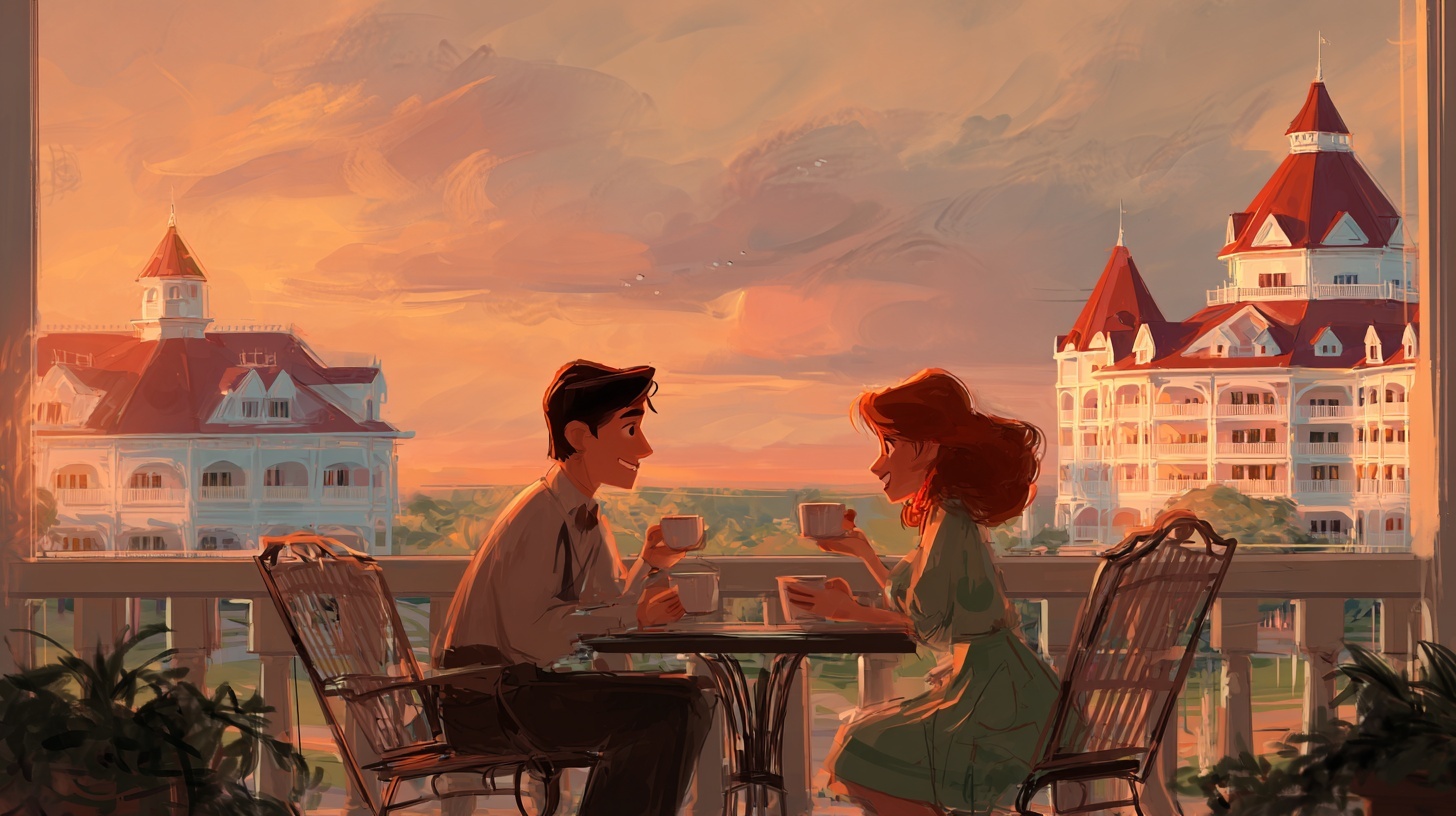
You stop memorizing park opening times and start hearing the harp player in the Grand Floridian lobby. Breakfast stops being just fuel between attractions. The balcony you used to stand on for 30 seconds to grab a photo? You can pull the chair over now to sit and relax.
DVC doesn’t fight this shift. It was designed for it.
The resorts unfold differently when you’re not on a mission. Mornings arrive without alarms. Evenings don’t end at fireworks—they start there. For the first time, you’re not just staying at the resort between park days. You’re in the resort. The thing you’ve been paying for all these years? You’re finally experiencing it.

Here’s what shifts quietly but completely: comfort becomes the point.
You want a kitchen because making coffee at 7 a.m. in your pajamas shouldn’t require a food court. You want a bathroom where two people can get ready without negotiating mirror time. You want a washer and dryer because packing seven outfits for a four-day trip was never about being prepared.
This isn’t about slowing down because you have to. It’s about slowing down because you finally can.
Research on older adult travel confirms what feels obvious once you’re living it: satisfaction isn’t measured in how many attractions you conquer. It’s measured in autonomy, comfort, and the quality of the environment around you. (Studies like Tourism Experience and Quality of Life Among Elderly Tourists show that mature travelers’ well-being is directly tied to control and ease—not itinerary density.)
DVC gives you that control.
Split your stay. Three nights. Seven nights. Spring for the parks. November for yourself. The system moves with you now.
Most couples do both. Parks some days. Pool other days. A book you meant to read.
That is the vacation.
That is what you came for.
Freedom, Flexibility, and DVC for Empty Nesters
The kids are gone. The calendar is yours.
No school breaks, sports weekends, asking permission from a schedule that was never really yours to begin with.
DVC works with this. You travel midweek. The crowds are thin. The prices are better. You book when you want. Last minute if the week opens up. It is not a contract, It is an option you hold.
Control changes everything.
Flexibility protects your money. Whether booking three nights or ten, no penalties, no guilt. Data is clear: older adults want choice. Not packages. Not someone else’s itinerary. Choice.
Travel spending stays high among adults over fifty. DVC fits that. Thoughtful, flexible, controlled.
The points bank. The points borrow. Life shifts and the system shifts with it. Simple. Not stressful.
Most couples do this: one big trip. One small one. Every year stays fresh and does not lock you down.
Money Talk Without the Drama
The kids are gone. Now you talk about money differently.
Retirement. Health. Travel. The list is real.
DVC is not about buying things. It is about buying time. Time you will use. That makes the conversation easier.
The cost is large. No point lying about that.
But many couples save money over years. You lock in today’s price.
Hotel rates climb. You do not climb with them. Travel economists say prepaying lodging is smart. It reduces risk. The numbers are there if you want to check them.
Your budget becomes predictable, since annual dues stay steady. Hotels do not. You plan trips without shock. Without wondering what it will cost this time.
Some couples treat it like a savings account. One they actually use. One that gives something back.
That clarity stops the arguments.
You know what you have. You know what it costs. You use it.
That is the deal.
Travel Style After the Kids Move Out
Your travel changes after the last one moves out.
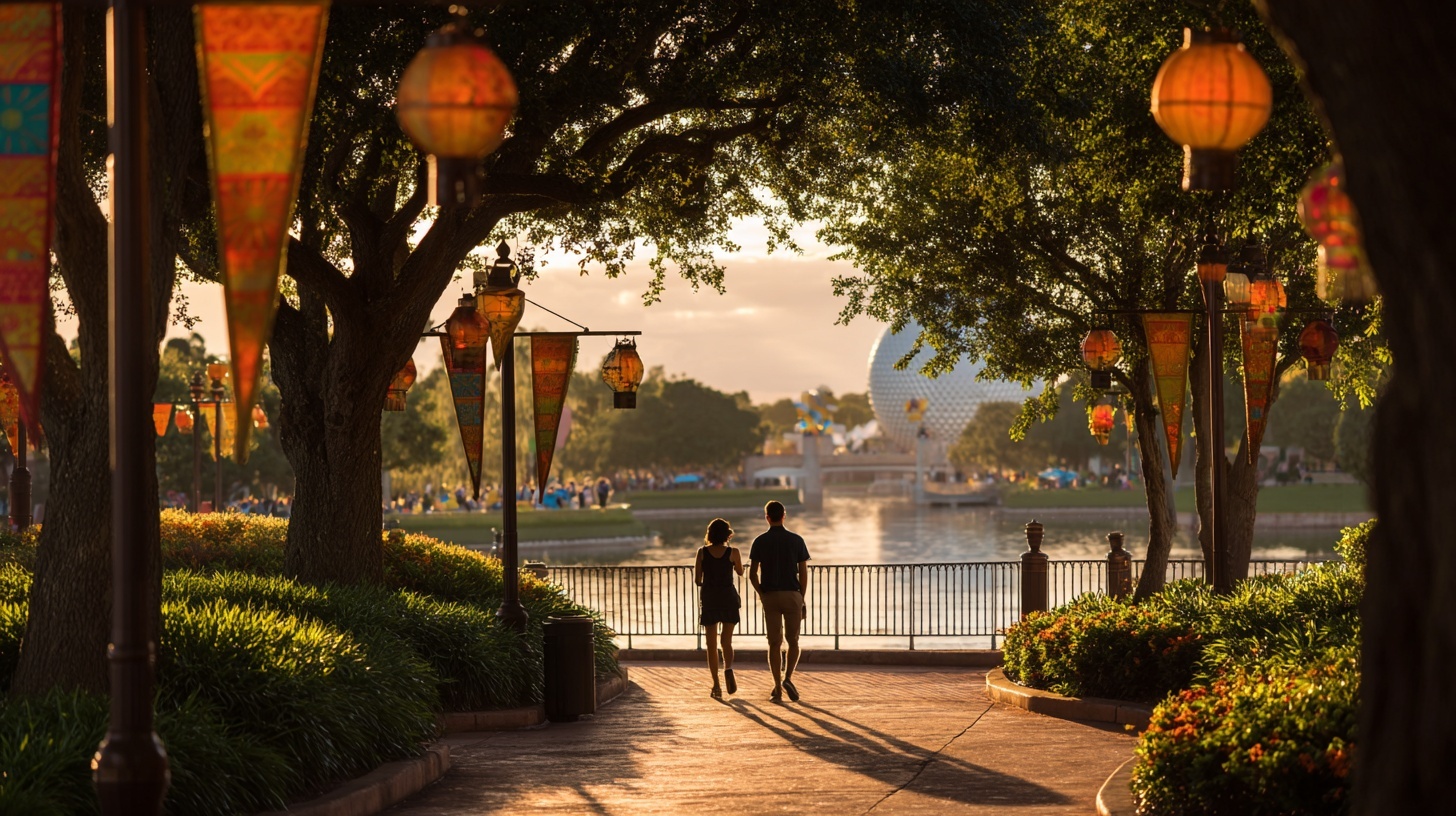
You stop running. You start walking. Resort paths in the morning. No rides. No sprints.
Evenings are wine. Views. Conversation that goes somewhere.
The rhythm is slow. Intentional. That is why couples stay.
Food changes too.
You eat better now. Signature dining. Not quick bites. The resort kitchen means breakfast on your terms. Your time. Your pace.
Nutrition research is clear: older adults need flexible meal timing when traveling. DVC gives that. Quietly. Without making it complicated.
The routines are healthier. Calmer.
Sleep matters now more than it did.
Good beds. Quiet halls. Curtains that actually block light.
DVC delivers this. Every time.
Many couples say they come home rested. Not drained. Not needing a vacation from the vacation.
They sleep. They rest. They return whole.
That is what it does.

Community, Connection, and Grandkids
So the nest empties, which: okay, yes, sad, but also—and let’s be honest here—kind of a relief? Not that you don’t love them. You do. You love them so much your chest hurts sometimes. But now they’re gone and you’re at the pool and there’s this other couple, also at the pool, also with that specific look of people who recently packed up a childhood bedroom and drove it to a dorm, and you start talking, and it’s easy, weirdly easy, because you’re both in the same odd life-phase where you’re simultaneously mourning and celebrating, and neither of you has to explain that, and honestly? That’s worth something. That’s worth a lot, actually.
Hotels don’t really do this. Hotels are efficient loneliness machines. But DVC has this accidental-on-purpose community thing happening, where you keep running into the same people—couples who are also figuring out how to be a couple again, not just co-parents—and the conversations don’t feel transactional. They feel like: Oh, you too? Yeah. Us too.
And then—because your brain does this now—you start thinking about grandkids.
Which is insane because your youngest just left for college and you’re not even sure they know how to do laundry unsupervised, but still: grandkids. The theoretical ones. The future ones who will need you to be the fun grandparent, the one with the villa and the pool access and the ability to make magic happen without looking like you’re trying too hard.
DVC becomes a different thing then. Not just your thing. A family thing. A legacy thing, if we’re being dramatic about it, which: why not? You’ve earned the right to be a little dramatic.
The data backs this up, by the way. Grandparents are increasingly the architects of family vacations now. You’re not just tagging along anymore. You’re the reason everyone shows up.
But even if the grandkids are a decade away—or never materialize, because life is unpredictable and cruel and also sometimes surprisingly okay—the option is what matters.
You book a studio now. Just the two of you. Coffee in pajamas. Balcony silence. The kind of trip where you both read different books and it doesn’t feel lonely, it feels right.
But when the family comes? You book the villa. The one with enough space that everyone gets their own bathroom and nobody has a meltdown about shower schedules.
Flexibility for tomorrow. Comfort today. Both at once, which is rare in life, if we’re being honest.
Most couples see it this way: present joy layered with future planning. Like you’re living in two timelines simultaneously, which sounds exhausting but actually feels kind of profound when you’re sitting on that balcony with your coffee, thinking about who might sit there with you someday.
That’s why it matters.

Planning the Next Chapter
The empty nest stage feels like a second adulthood. You’re rediscovering hobbies, routines, and shared time. This fits naturally into that rediscovery. Travel becomes less about checklists and more about connection. You’ll likely find yourselves planning trips just to talk, relax, and laugh together. That emotional fit makes it surprisingly powerful.
Long-term planning also becomes clearer in this season. You might map out five or ten years of trips instead of one. It supports that kind of vision with predictable booking windows. Some couples even align milestone anniversaries with favorite resorts. For planners at heart, this feels incredibly satisfying.
Still, you don’t have to overthink it. You can simply use this as a simple, joyful escape. Book when you want, stay where you love, and relax deeply. Many couples discover that it becomes less about logistics and more about togetherness. In that sense, this isn’t just a membership. It’s a shared lifestyle.
Resort Life Makes This Shine
Here’s what most people don’t admit out loud. Empty nest travel isn’t just about destinations. It’s about where you wake up. It wins quietly because the resorts feel like real places to live, not just sleep. You’re not crashing in a room between park days anymore. You’re actually inhabiting your vacation. That difference changes everything about how trips feel.
Morning coffee hits differently when you can sit on a balcony and watch the water. You’ll notice birds, breeze, and silence in a way you never did with kids in tow. This makes space for that kind of slow beauty. You stop rushing. You start noticing. And honestly, that might be the best perk of all.
Many couples tell me they spend more time at resorts than parks now. That makes total sense. It gives you access to pools, walking paths, and lounges that feel grown-up and calm. You’re not fighting for pool chairs at dawn. You’re strolling down in your own time. No drama. No stress. Just ease.
The kitchen setup also matters more than people think. With this, you can cook light breakfasts or late-night snacks without guilt. You’ll likely find yourselves shopping at local markets instead of booking every meal. That simple routine can make a trip feel richer and more personal.
Let’s be honest. Hotel food gets old fast. Even great restaurants can feel repetitive after years of travel. It gives you options that hotels don’t. You can mix restaurant nights with cozy in-room meals. That balance keeps trips fresh and less exhausting.
Another underrated perk is storage. You’ve probably traveled for decades with too many bags. This usually gives you more space than standard rooms. Closets feel bigger. Bathrooms feel less cramped. You don’t feel like you’re living out of a suitcase anymore.
And here’s the part people rarely talk about. You actually sleep better. Quieter rooms, thicker walls, and real bedding make a difference. When you’re rested, your whole trip improves. It quietly delivers that upgrade without making a fuss about it.
Over time, these small comforts add up. You’ll start measuring vacations not by how many rides you did, but by how calm you felt. That’s when you realize this isn’t just lodging. It’s a lifestyle shift.

When Travel Changes, It Adapts
Your travel habits will keep evolving as you age. That’s normal. This grows with you instead of boxing you in. In your early empty nest years, you might still love busy park days. Later, you may prefer lounges, spas, or long resort walks. It flexes with every phase.
At first, many couples use this like they used regular Disney trips, full of parks and dining reservations. That’s fine. But over time, something interesting happens. You slow down on your own, cancel more rope-drop plans, linger longer over breakfast.
It supports that natural shift instead of punishing it. You’re not paying a fortune just to sleep in a room you barely use. You actually enjoy being in your resort. That matters more as travel style matures.
Health also starts shaping how you vacation. Longer park days may feel harder than they used to. This gives you a comfortable base where you can rest without guilt. You can take midday breaks, nap, and return refreshed. That flexibility keeps travel joyful instead of draining.
Some couples even start using it for non-park trips. Beach resorts, quiet stays, or seasonal getaways become more appealing. The membership doesn’t lock you into one kind of vacation. It opens doors instead.
Let’s be real. Many timeshares trap you into repetitive travel. This feels different because of the variety. You can change scenery, pace, and purpose while still using your points. That variety keeps the membership exciting year after year.
Another big shift comes emotionally. Empty nesting can feel bittersweet at first. Travel becomes a way to reconnect as a couple. It supports that reconnection beautifully. You’ll find yourselves talking more, laughing more, and actually enjoying each other’s company again.
Some couples treat this as a second home. Others treat it as a yearly reset. Both approaches work. The program doesn’t demand one “right” way to use it. That freedom is rare in travel products.
Over time, you might even find that it shapes how you think about retirement. Instead of worrying about what you’ll do, you start planning where you’ll go. That mindset shift feels powerful, not frivolous.
In the end, travel after kids isn’t about filling time. It’s about choosing how you want to live this next chapter. This simply gives you a comfortable, flexible, and joyful way to do exactly that.
To Summarize!
So.
You’re standing at this decision point.
Here’s what I’d say, if you asked me, which you didn’t but I’m saying it anyway because we’ve come this far together:
The decision isn’t really about money.
It’s about whether you believe your family is worth betting on.
Whether you believe that building places to return to matters, even when return isn’t guaranteed.
Whether you’re willing to invest in the infrastructure of connection, even though connection is messy and unpredictable and might not work out the way you imagine.
And if you believe that—if you believe any of that—then DVC might make sense.
Not because it’s perfect.
But because it’s a framework for the thing you actually want: more time with the people you love, in places that feel like yours, building memories that might outlast you.
Which is either worth forty thousand dollars or completely priceless, depending on how you calculate value.
And honestly?
Both can be true.