
The 2042 DVC Cliff: What Beach Club & BoardWalk Buyers Miss
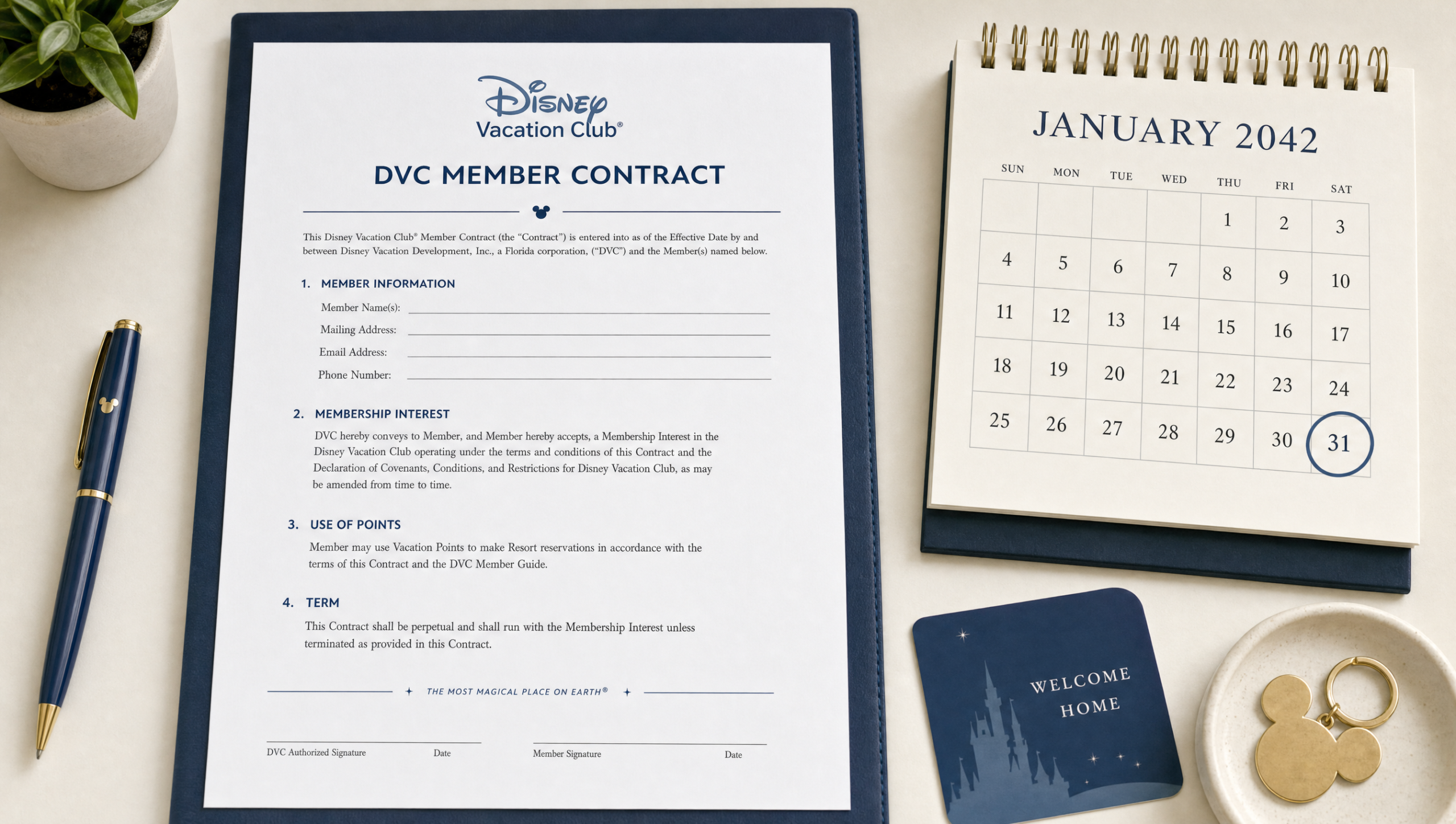
The 2042 DVC Expiration Cliff means certain resorts, including Beach Club Villas and BoardWalk Villas, stop existing as DVC ownerships on January 31, 2042.
After that, your contract isn’t worth anything. No points. No bookings. No resale exit.
Right now, you’re looking at roughly 16 years left. That’s not short. But it’s not long either. Especially when newer resorts stretch decades beyond that.
The real issue isn’t the date itself. It’s how people think about value. Most focus on purchase price. Fewer look at how that price spreads across the years they’ll actually use.
That’s where the math shifts.
Another detail that doesn’t get enough attention is how expiration changes behavior. Owners closer to the end date tend to use their points more aggressively. Fewer people bank long-term or skip years. That can subtly affect availability at popular times. But if you’ve ever tried booking peak EPCOT season, you’ll notice patterns.
There’s also a psychological angle. When something has a clear end date, people treat it differently. They’re less likely to “save” points for later and more likely to spend them now. That urgency isn’t always obvious upfront, but it shapes how these contracts feel over time.
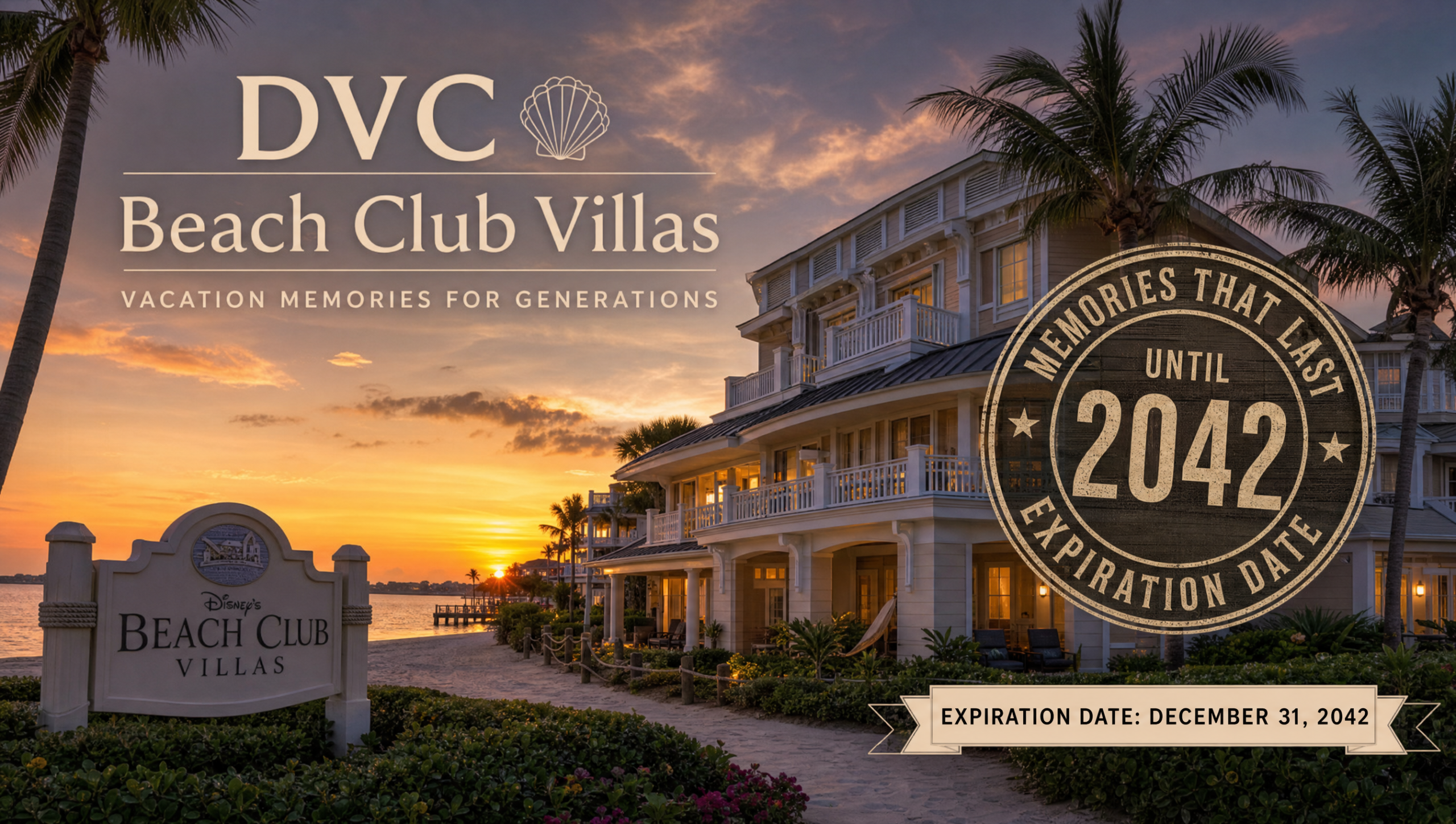
Why Beach Club and BoardWalk Still Pull People In
If these resorts were average, the 2042 DVC Expiration Cliff would’ve pushed buyers away already. That hasn’t happened and here’s a reason:
Beach Club Villas has one of the strongest pool complexes on property. People don’t just like it, they plan entire trips around it. BoardWalk Villas hits a different angle with walkability, energy, that slightly nostalgic feel. You step outside and you’re already in the middle of something.
And then there’s location. EPCOT is right there. Hollywood Studios isn’t far either. Once you’ve done that walk a few times, it’s hard to go back to buses or long waits.
So no — people aren’t just buying points. They’re buying convenience, atmosphere, a certain version of a Disney trip that feels harder to replicate elsewhere.
Price plays into it because of The 2042 DVC Expiration Cliff, these contracts often come in cheaper than longer ones. That gap pulls in buyers who want premium resorts without paying premium-long-term pricing.
Still, cheaper upfront doesn’t always mean smarter overall.
There’s also a familiarity factor. A lot of repeat buyers circle back to these resorts because they already know what they’re getting. No surprises. That kind of predictability carries weight, especially for families who don’t want to experiment with every trip.
And honestly, there’s a bit of emotional pull here too. These resorts feel “classic” in a way newer ones sometimes don’t. That’s hard to quantify, but it absolutely influences decisions.
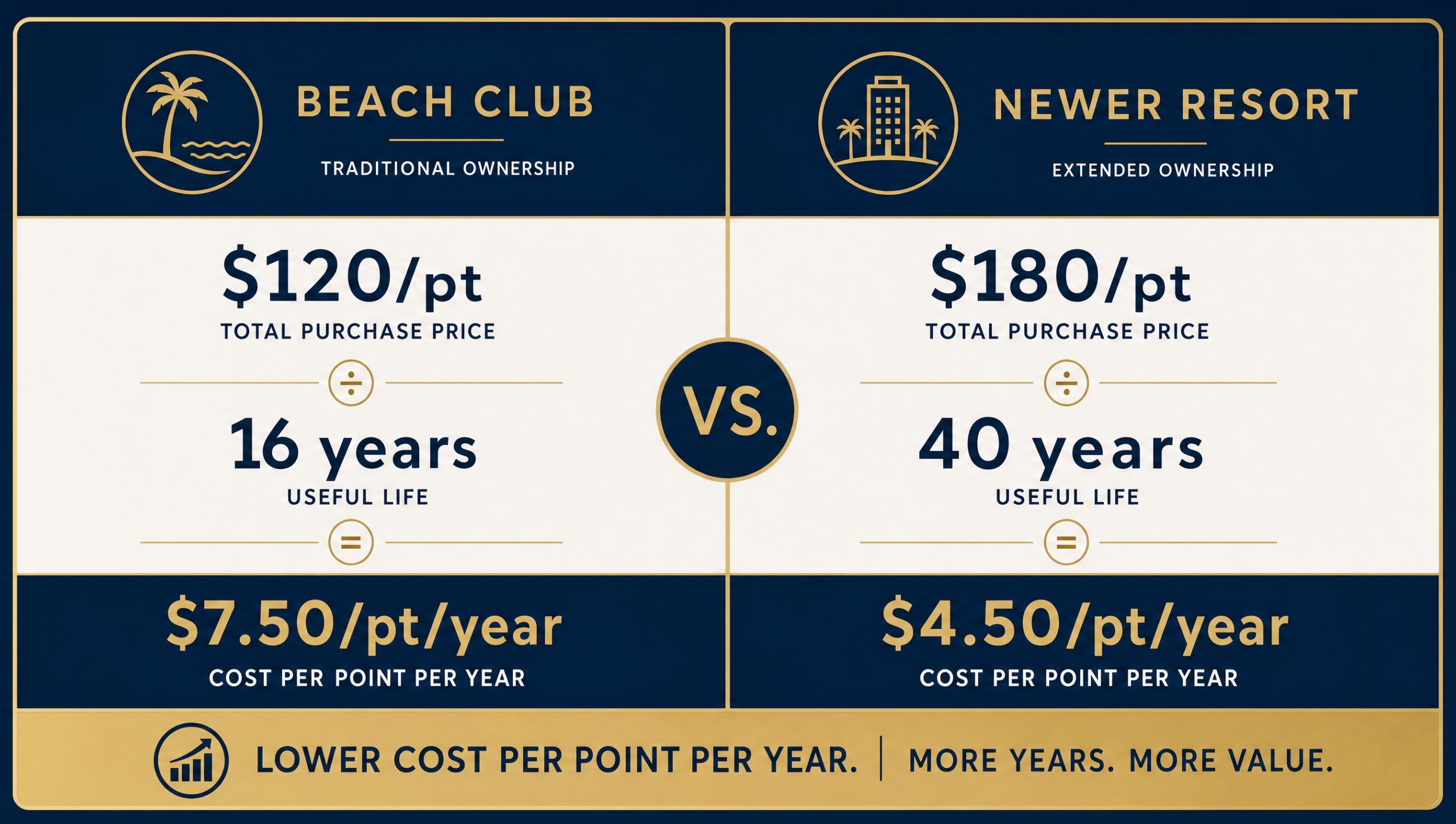
The 2042 DVC Expiration Cliff: The Math Most Buyers Don’t Run
This is where things usually get real.
~16 years remaining
~40 years remaining
That gap matters more than people expect.
At first glance, the cheaper contract feels like the win. Lower barrier. Easier entry. But stretch it across time, and the equation flips.
And then you layer in maintenance fees. They don’t stay flat. They climb. Slowly, then not so slowly. With a shorter contract, you don’t have as much time to spread those increases out.
None of this automatically kills the deal. It just changes how you should evaluate it.
You’re not really buying points. You’re buying years of use. That distinction sounds small. It isn’t.
If you’re trying to weigh the long-term value, it helps to look at how timeshares are typically evaluated beyond just upfront cost and consider the full ownership picture: long-term timeshare value analysis.
One thing I’ve noticed is that buyers often ignore how often they’ll realistically travel. On paper, annual trips sound easy. In real life, schedules get messy. Miss a year or two, and suddenly that per-year cost jumps higher than you planned.
There’s also the temptation to justify the purchase after the fact. People start bending their travel plans just to “use the points.” That can work, but it can also turn something flexible into something that feels oddly rigid.
If you want a clearer picture of how pricing actually breaks down today, it helps to review current point costs and how they compare across resorts before making a decision: full breakdown of DVC cost per point and long-term value.

Who This Actually Works For
Not every buyer needs a 30 or 40-year runway.
If you’re in a phase where Disney trips are already a regular thing, the next 10 to 15 years might be your peak usage window anyway. Families with younger kids often fall into this category. There’s a natural timeline already in place.
In those cases, a Beach Club or BoardWalk resale can line up surprisingly well. You’re not paying for decades you won’t use. You’re focusing on the years that matter most.
On the flip side, if you’re thinking long-term. Something to hold for 30 years. Maybe even pass down. This probably isn’t the right structure.
There’s also a smaller group of buyers who just want these resorts specifically. Not a substitute. Not “close enough.” For them, the decision isn’t purely financial. It’s preference-driven. That’s valid, but it should be a conscious trade-off.
Interestingly, some buyers treat these contracts almost like a “season” of life purchase. Not permanent. Just something that fits for now. That mindset tends to reduce regret later.

The Risks That Don’t Get Talked About Enough
Here’s where things get a bit less comfortable.
That mismatch between expectation and reality is where regret tends to show up.
Research on vacation ownership shows that buyers tend to evaluate value based on experience, flexibility, and long-term satisfaction, not just the initial purchase price: consumer behavior in vacation ownership.
Another risk that shows up quietly is booking pressure. As contracts get closer to expiration, more owners tend to use points rather than rent them out. That can tighten availability, especially during holidays or festivals.
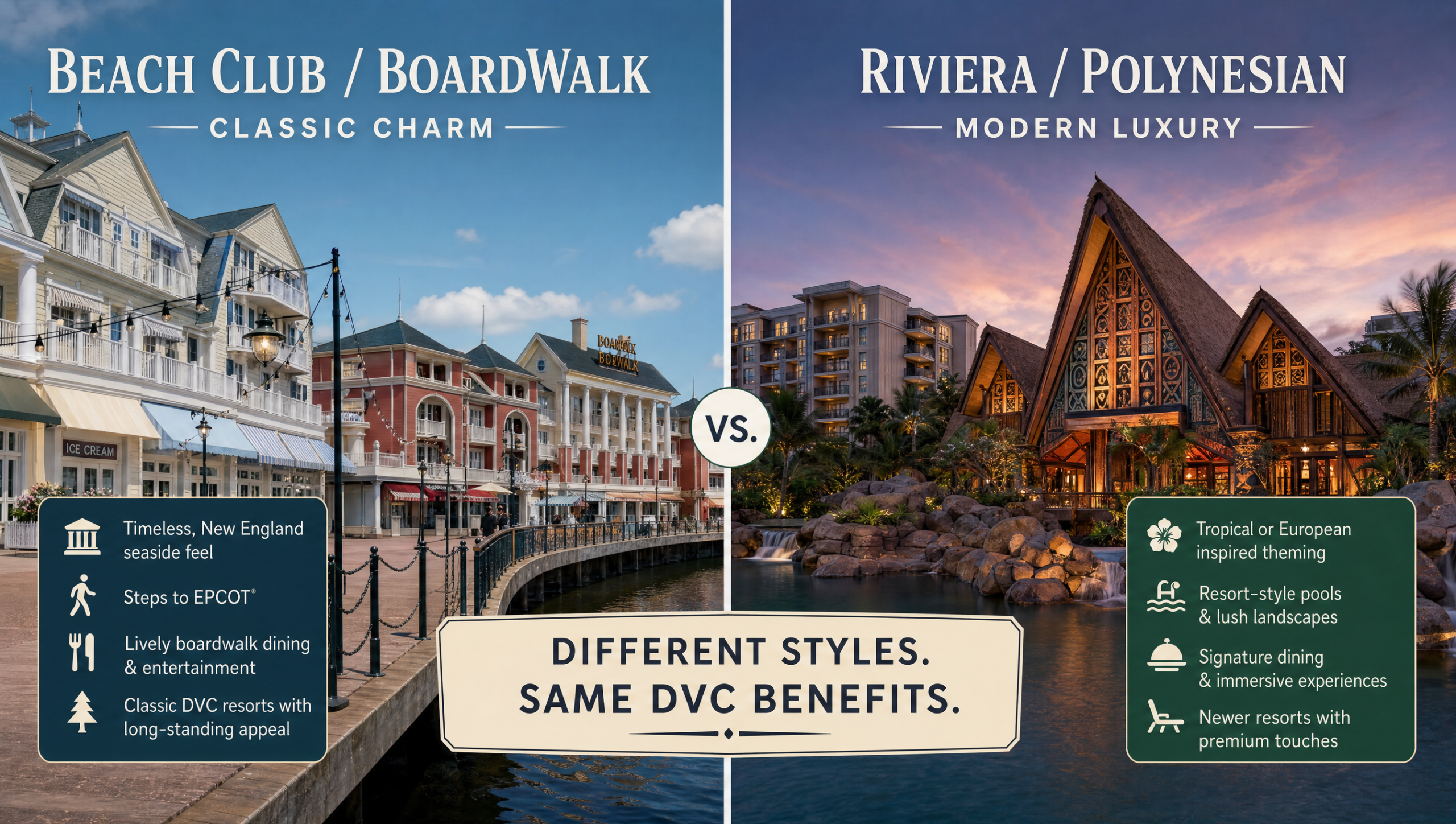
How 2042 Resorts Stack Up Against Newer Options
Put them side by side and the trade-offs become clearer.
Financing can tilt things too. Some lenders treat shorter contracts differently. Slightly higher risk profile. It doesn’t always matter, but it can.
And resale value. It’s not complicated. A contract with decades left will generally be easier to move than one nearing its endpoint.
Still, this isn’t a strict either-or situation. It’s a trade. Experience now versus longevity later.
There’s also a subtle difference in how people use newer resorts. Longer contracts sometimes lead to more relaxed usage. Owners feel less urgency. With 2042 contracts, usage tends to be more intentional.
How to Approach the Purchase Without Regret
If you’re still leaning toward buying, slow down just enough to be intentional.
Recent data shows that maintenance fees continue to rise over time, which can significantly impact the true cost of ownership if you’re not factoring it in from the start: timeshare maintenance fee trends.
One more thing. Try mapping out actual trips for the next few years before buying. Not hypothetical ones. Real calendars, real timing. It forces clarity in a way spreadsheets alone don’t.
And if the trips don’t naturally fit, that’s a signal. Not a failure. Just information you can use before committing.
If you’re trying to understand how long the process actually takes from offer to closing, it helps to see a realistic breakdown of each step along the way: step-by-step DVC resale buying process guide.

Is It Still Worth It?
The 2042 DVC Expiration Cliff doesn’t automatically disqualify these resorts. But it forces a different kind of decision.
If you know you’ll use Beach Club or BoardWalk consistently over the next decade or so, the value can still be there. You’re essentially front-loading your experience. Getting the trips you want while they still fit your life.
If you’re thinking in longer time horizons, 20 or 30 years out, it becomes harder to justify. The structure just doesn’t support that kind of plan.
There isn’t a universal answer here. Just alignment. Timeline, usage, expectations. When those line up, the decision tends to feel straightforward.
Conclusion
The 2042 DVC Expiration Cliff changes how you have to think about ownership. Not dramatically, but enough that you can’t ignore it.
You’re not just buying into a resort. You’re buying a fixed window of time. And whether that works comes down to how well that window fits your life.
Some buyers get strong value out of these contracts. Others don’t. The difference usually isn’t luck. It’s clarity upfront.
Take a closer look at your travel habits. Be honest about how often you’ll go. Run the numbers without assumptions doing the heavy lifting.
Because once 2042 arrives, that’s it. The contract ends. And by then, whatever value you got from it will already be decided.

Disney Vacation Club specialist and founder of Magical Vacation Pros, where he helps families navigate the DVC resale market with confidence. With years of experience brokering contracts across every Disney Vacation Club resort, Kenny has guided hundreds of buyers and sellers through the ROFR process, contract closings, and long-term ownership planning.
Have a question about DVC resale? Reach out to Kenny and the Magical Vacation Pros team anytime.